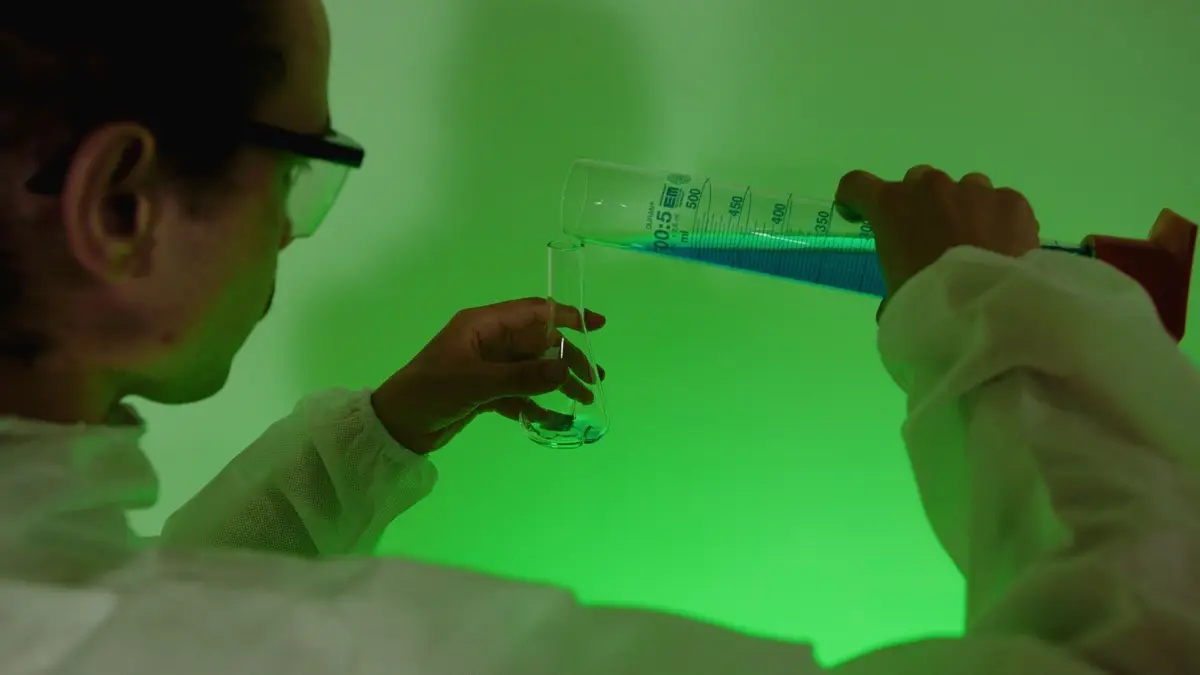




Set and setting entered psychedelic vocabulary in the mid twentieth century when clinicians noticed identical milligram doses produced radically different outcomes depending on mood, expectations, and physical environment. Set refers to internal state: beliefs, emotional tone, personality, and recent stressors. Setting covers external context: room decor, social presence, music, legal frame, and medical oversight. Modern trials treat both variables as protocol elements rather than folklore, measuring their influence through controlled room designs, therapist manuals, and preparatory interviews.
Session timing science continues in therapeutic windows and session length in clinical trials. Practical preparation guides appear in how to prepare for a peaceful psychedelic experience and overview of the psilocybin experience. Pharmacology background spans health and science articles on psilocybin.
Historical roots and contemporary operationalization
Early Harvard era researchers documented how reassurance from guides reduced panic during psilocybin administration. Indigenous ceremonies embedded set and setting long before those English labels existed, using fasting, ritual sequence, and community roles to orient participants. Today's FDA oriented protocols at Johns Hopkins psychedelics research specify couch placement, eyeshade availability, and emergency medical kits as setting components subject to institutional review.
Operationalization means translating vague ideas into checklists auditors can verify. Preparation sessions cover intention setting without promising specific visions. Exclusion criteria address set risks such as active psychosis or uncontrolled mania. Music playlists are standardized in some trials to reduce variance, while others allow personalized selections after safety review.
What controlled studies measure
Randomized trials rarely manipulate setting dramatically for ethical reasons, yet natural experiments occur when identical protocols move between hospital suites and university imaging centers. Substudies correlate participant rapport scores with mystical experience questionnaires and week six depression outcomes. Archives at MAPS psychedelic research document therapist training hours required before MDMA assisted therapy, illustrating how setting includes human skill, not only furniture.
Expectancy effects complicate blinding because participants often know they received an active psychedelic. Honest preparation about possible difficult moments may paradoxically reduce anxiety by increasing perceived control. Researchers preregister how they counsel participants to avoid overselling benefits, a set intervention with measurable tone.
Music, sensory input, and room design
Curated music sequences influence emotional trajectory during psilocybin peaks. Classical and ambient selections dominate trial playlists to minimize lyrical triggers. Harsh lighting or crowded social spaces correlate with challenging reports in observational surveys. Clinical suites favor soft textiles, nature art, and bathroom access without navigating public hallways.
Open eye ceremonies differ from eyeshade inward journeys. Each model suits different therapeutic goals. Facilitators importing trial room aesthetics into retreat centers should still adapt to fire codes, group dynamics, and local noise constraints without claiming equivalence to hospital conditions.
Group versus dyadic settings
Most depression trials use one participant with two therapists present. Group truffle sessions in legal retail contexts introduce peer influence, laughter contagion, and privacy limits. Social setting modulates set when participants compare their experiences aloud during onset. Trained sitters who remain silent versus conversational alter outcomes in anecdotal reports awaiting rigorous quantification.
Family presence is generally discouraged during peak effects in medical models, yet integration may involve partners days later. Clear agreements about confidentiality and touch boundaries belong to setting design before any dose.
Cultural competence and legal frames
Setting includes whether participation is criminalized, medicalized, or commercially tolerated. Fear of prosecution degrades set even when pharmacology is identical. Dutch truffle consumers operate under different legal stress than clandestine mushroom users elsewhere. Researchers at Imperial College Psychedelic Research Centre emphasize culturally adapted therapist training when exporting manuals across countries.
Colonial dynamics appear when Western retreat marketing borrows indigenous imagery without community benefit. Ethical setting design credits source traditions and avoids performative ceremony elements facilitators do not understand.
Difficult experiences and setting interventions
Challenging episodes remain possible in optimal settings. Protocols define when pharmacological anxiolytics are permissible versus when verbal grounding suffices. Body language, calm vocal tone, and predictable room layout reduce escalation. Literature on psychedelic supported psychotherapy indexed through psychedelic psychotherapy outcome research links prepared difficulty processing with better long term integration than unprepared panic in chaotic environments.
Aftercare scheduling is part of setting: knowing integration calls exist next week stabilizes set during comedown. Isolated tourists without follow up contacts face higher distress risk regardless of truffle potency.
Regulatory expectations
FDA guidance on psychedelic clinical trials requests detailed descriptions of psychological support environments, not only drug purity data. Inspectors ask how sponsors train sitters to handle agitation. Set and setting documentation therefore belongs in regulatory submissions alongside chemistry.
Retail shops are not held to those standards. Consumers should calibrate expectations accordingly and read preparation guidance for peaceful experiences before purchasing products.
Facilitator training and fidelity metrics
Academic programs now score therapist adherence to manuals using recorded session reviews, treating facilitator behavior as an independent variable. Deviation from scripted empathy timing correlates with weaker mystical experience scores in some datasets. Training durations range from forty hours for basic sitter certification to over one hundred hours for lead therapist roles in phase three trials. Skills include recognizing when silence helps versus when gentle reassurance prevents panic escalation without imposing narrative interpretation.
Retail truffle environments rarely document facilitator training hours. Consumers inherit higher variance in setting quality and should adjust expectations below hospital trial conditions described in primary literature.
Digital and outdoor settings
Some contemporary guides experiment with nature based sessions citing open label research on green space and mood. Wind, temperature shifts, and public foot traffic introduce setting variables absent from indoor suites. Digital apps offering timed playlists cannot replace trained presence during disorientation peaks. Evidence for outdoor superiority remains anecdotal compared with preregistered indoor protocols that dominate regulatory submissions.
Expectancy, suggestion, and honest preparation
Set includes what participants read online the week before dosing. Dramatic trip reports prime awe or fear before any molecule arrives. Trials increasingly standardize preparation materials so every volunteer hears similar risk and benefit language, reducing variance attributable to rumor. Honest framing that difficult passages occur in a minority of sessions may lower acute anxiety more than promises of cosmic unity. Suggestion is not imaginary: autonomic arousal shifts when people believe they received active drug even during placebo controlled designs with concealment challenges.
Facilitators who repeat miracle cure narratives inflate set pressure and complicate integration when ordinary insight arrives instead of cinematic visions. Neutral education about phenomenological range supports safer tourist and clinical environments alike.
Summary
Set and setting science treats mindset and environment as measurable contributors to psychedelic outcomes, not mystical add ons. Preparation, room design, therapist training, music, legal context, and aftercare collectively shape risk and meaning. Explore psychotherapy outcome research, Johns Hopkins protocols, MAPS training standards, Imperial College methods, and FDA trial guidance. Continue with therapeutic window timing, peaceful trip preparation, experience overview, and the health and science archive.
UNLOCK THE MIND. ELEVATE THE SELF.