



Accessibility is still treated as an afterthought in much of the psychedelic retreat market. Websites say “all are welcome” while photos show loft ladders, forest trails, and candlelit rooms with no clear path for mobility devices, predictable meals, or sensory recovery. Welcome is not access. Access is specific, negotiated early, and visible in the built environment and the schedule.
This guide covers three practical domains: mobility, diet, and sensory needs. It also touches communication access and energy limits. Use it with operational screening advice in green flags in retreat operations and seasonal venue realities in seasonal retreat planning in the Netherlands. Programme context lives on the experience and retreat packages.
Start with honest scoping, not hope
Before you fall in love with a forest photo, list your non-negotiables. Stairs only? Need step-free shower? Require gluten-free kitchen discipline rather than a best-effort salad? Need a quiet room away from group chanting? Write the list. Then ask the retreat to confirm each item in writing. Verbal reassurance on a sales call is not a floor plan.
Disability rights framing from institutions such as the World Health Organization disability topic pages and European accessibility policy discussions via the European Union fundamental rights portal treat access as participation infrastructure. Retreats are private programmes, yet the same logic applies: barriers are environmental as often as they are individual.
Mobility: the questions that reveal the building
Ask for distances and surfaces, not adjectives. How many steps to the session room? Is there a ground-floor bedroom with an accessible bathroom? What is the outdoor path material after rain? How far is the nearest hospital route by car? Can staff assist with luggage without making that assistance the only way to participate?
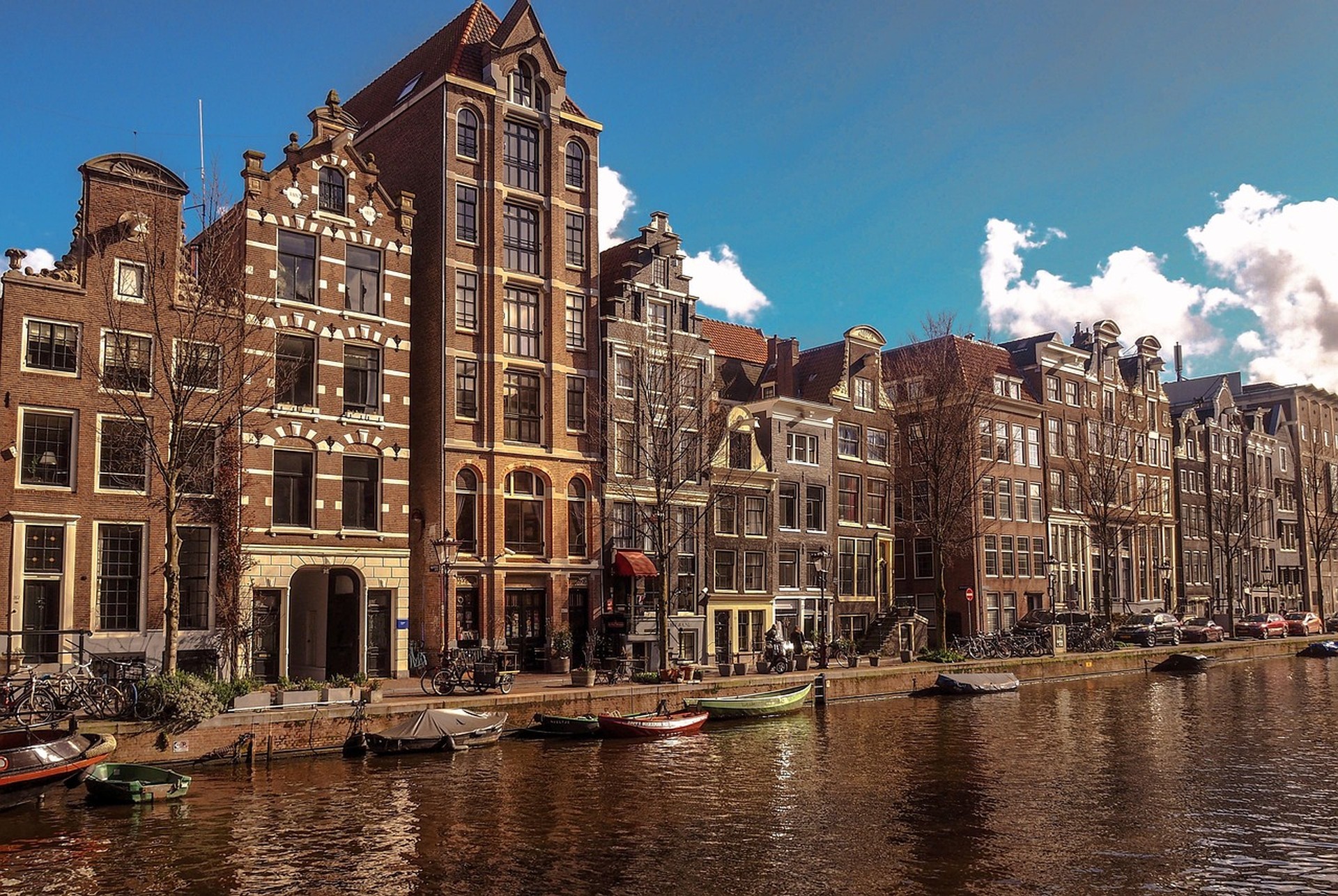
Rural Dutch venues can be beautiful and awkward: canal bridges, gravel, narrow historic doorways, upstairs dorms. Urban venues may offer lifts and still have ceremony rooms with cushions only. Neither is automatically wrong. The mismatch between marketing and mobility is the problem.
Green-flag answers include photos of the exact room offered, measurements if needed, and an alternative plan if weather closes a path. Red-flag answers include “everyone manages” or “the medicine will help you forget the stairs.”
Diet: preference versus medical necessity
Retreat kitchens range from flexible to ideological. Some programmes run simple vegetarian menus with clear allergen control. Others improvise. If you have coeliac disease, severe nut allergy, diabetes timing needs, or religious dietary rules, ask about preparation zones, label reading, and cross-contact practices.
Medical necessity should be distinguished from preference, not because preference is trivial, but because kitchens allocate attention differently. State the medical risk plainly. Ask whether they can meet it. If they cannot, believing hard enough will not change the pantry.
Food safety culture from public health sources such as RIVM is a useful mindset even when your concern is allergen control rather than classic foodborne illness: separation, hygiene, and clear communication reduce avoidable harm.
Sensory needs: sound, light, smell, and social density
Psychedelic sessions often use music, eye masks, incense, low light, and group proximity. For some people that combination is supportive. For others it is overload layered on an already intense pharmacological state. Sensory needs deserve the same advance negotiation as mobility.
Ask whether you can preview the music approach, whether earplugs or alternative seating exist, whether fragrance-free spaces are possible, and whether a quieter recovery room is available. Ask how facilitators respond if someone needs to step out. A mature team plans exits without drama.
Neurodivergent participants may also need clearer schedules, written instructions, and lower surprise. That is not anti-ritual. It is consent-compatible design.
Communication and language access
If the programme language is not your strongest language, accessibility includes comprehension under stress. Ask how much of the facilitation happens in English, Dutch, French, Spanish, or other languages, and whether key safety instructions are available in writing. Misunderstanding consent or emergency instructions is a safety issue, not a personality quirk.
Hearing access matters too. Soft-spoken circles in echoey rooms exclude people. Ask about seating, amplification, or written summaries of agreements.
Energy, pacing, and invisible disabilities
Chronic illness, chronic pain, and fatigue conditions may not show on a staircase photo. They show up when schedules pack hiking, ceremonies, and late sharing circles without rest. Ask for the hour-by-hour plan and where downtime lives. Green-flag programmes protect recovery windows and do not moralise rest.
Medication timing, sleep needs, and temperature control also belong here. A room that cannot stay warm in a Dutch shoulder season becomes an accessibility failure for some bodies.
How to request accommodations without oversharing
You can share functional needs without narrating your entire medical biography. Example: “I need a ground-floor room with a shower seat and no incense in sleeping areas.” You do not owe a public diagnosis to the group. Share with staff what staff need to keep you safe.
If a retreat demands unnecessary disclosure as entertainment for the circle, that is a culture warning. Privacy and accessibility can coexist.
When the honest answer is “this venue is not a fit”
Not every retreat can retrofit historic buildings. An honest “we cannot meet that need” is better than a dangerous yes. Accessibility shopping may require considering different venue types, dates, or formats, including smaller groups discussed elsewhere in this landscape series.
Document the decision. If a venue claims access and then fails on arrival, you need the written thread. That documentation also helps the next guest if the operator improves.
Intersection with screening and medical support
Accessibility requests should enter the same operational channel as screening. A team that loses dietary notes between booking and kitchen is showing a systems problem that may also affect medication notes. Conversely, teams that track accommodations carefully often track other safety data carefully. See green flags in retreat operations for that wider lens.
Bathrooms, sleep stations, and dignity details
Accessibility often fails in bathrooms first: step tubs, no grab bars, narrow doors, slippery wet rooms, or shared facilities too far from bedrooms. Ask for bathroom photos of the exact room category you are offered. Sleep station height, mattress firmness, and ability to sit up safely also matter for pain and mobility conditions.
Dignity details include private changing space, lockable storage for medications, and a way to request help at night without shouting across a dorm. These are not luxuries. They are how adults retain autonomy while temporarily more vulnerable.
Service animals, aids, and technology
If you use mobility aids, CPAP machines, or other devices, confirm power access, extension cords, and whether generators or outages are common at rural sites. Ask where devices can be stored safely during sessions. Do not assume a candlelit aesthetic includes grounded electricity planning.
Policies on assistance animals vary widely and may interact with allergies of other guests. Get a written answer early so nobody discovers a conflict on arrival day.
Financial and administrative access
Accessibility also includes whether booking systems work with screen readers, whether invoices are clear, and whether staff will communicate by email rather than only phone calls. Cognitive load is an access issue. Clear written instructions help people who process information better on the page than in fast verbal briefings.
Bottom line
Accessibility at retreats is mobility paths, kitchen competence, sensory options, language clarity, and pacing that respects real bodies. “All welcome” is a poster. Concrete accommodations are a plan. Ask early, ask in writing, and treat vague answers as information. A meaningful session is not worth an avoidable injury, anaphylaxis risk, or sensory trauma layered on top of psychedelics.
For venue climate and daylight constraints that change comfort month by month, continue with seasonal retreat planning in the Netherlands, and keep programme expectations anchored to the experience and retreat packages.
UNLOCK THE MIND. ELEVATE THE SELF.