


People often choose retreat dates around work leave, not around wind. In the Netherlands that omission matters. Weather, daylight, and indoor comfort are not aesthetic extras. They shape sleep, outdoor options, travel stress, and the emotional tone of a group container. Seasonal retreat planning is set-and-setting literacy applied to the calendar.
This article helps you match expectations to Dutch seasons without romantic myths. Pair it with accessibility planning in accessibility at retreats and post-programme travel pacing in post retreat travel. For programme shape, see the experience and retreat packages.
What “Dutch weather” actually means for a retreat
The Netherlands is maritime temperate: mild compared with continental extremes, frequently cloudy, and familiar with rain in every month. Wind can make a “mild” temperature feel sharp, especially near open polder landscapes. Official climate normals and forecasts from KNMI (Royal Netherlands Meteorological Institute) are more useful than influencer sunsets.
For retreat logistics, rain means muddy paths, wet shoe piles, longer indoor hours, and sometimes cancelled outdoor ceremonies. Wind means colder perceived temperatures during integration walks. Heat waves, less common but increasingly discussed in European climate summaries from sources such as the Copernicus Climate Change Service, stress rooms without good ventilation.
Daylight as a nervous system variable
Day length changes dramatically across the year at Dutch latitudes. December afternoons fall dark early. June evenings stretch late. That difference alters meal timing, outdoor integration, and mood for people sensitive to light.
If you know seasonal affective patterns in yourself, treat daylight as a planning input. A midwinter retreat can be deeply inward and cocooned, yet it asks more of lighting design, vitamin routines you already use, and expectations about nature time. A high-summer retreat offers long walks and late dinners, yet it can challenge sleep if rooms stay bright and warm.
Public explainer material on circadian health from organisations such as the U.S. National Institutes of Health health information portals and European public health communication through the European Centre for Disease Prevention and Control will not schedule your retreat for you, but they reinforce why light exposure and sleep regularity matter around intense experiences.
Season-by-season comfort sketch
Late autumn and winter
Expect short days, wet ground, and a premium on heating quality. Ask about room temperature control, drying space for clothes, and whether ceremonies are fully indoor. Travel delays from storms are more common. Build buffers. The emotional tone can be intimate and quieter, which some guests prefer.
Spring
Shoulder season brings unstable mixes of sun, showers, and blossom tourism crowds in popular regions. Pack layers. Outdoor sessions become more available, yet mud remains. Spring is often a sweet spot for people who want nature without peak summer heat or peak winter dark.
Summer
Long light, busier trains, higher accommodation demand near tourist corridors, and occasional heat. Confirm cooling or airflow. Check whether the venue has shaded outdoor space. Allergy seasons matter for some participants: ask about open-window policies and cleaning if pollen is an issue.
Early autumn
Often favoured for softer light and fewer extreme temperatures. Still pack rain gear. Harvest-season tourism can affect regional transport and restaurant noise if the venue is near busy villages.
Comfort infrastructure to verify
- Heating and cooling that guests can influence.
- Enough indoor space if outdoor plans collapse.
- Laundry or drying options for wet clothes.
- Bedding warmth and mattress quality for longer nights indoors.
- Lighting that supports evening wind-down without harsh glare.
These details sound domestic. During a psychedelic programme they become part of physiological safety. Cold shivering is not a spiritual lesson. Neither is heat exhaustion.
Travel reliability across seasons
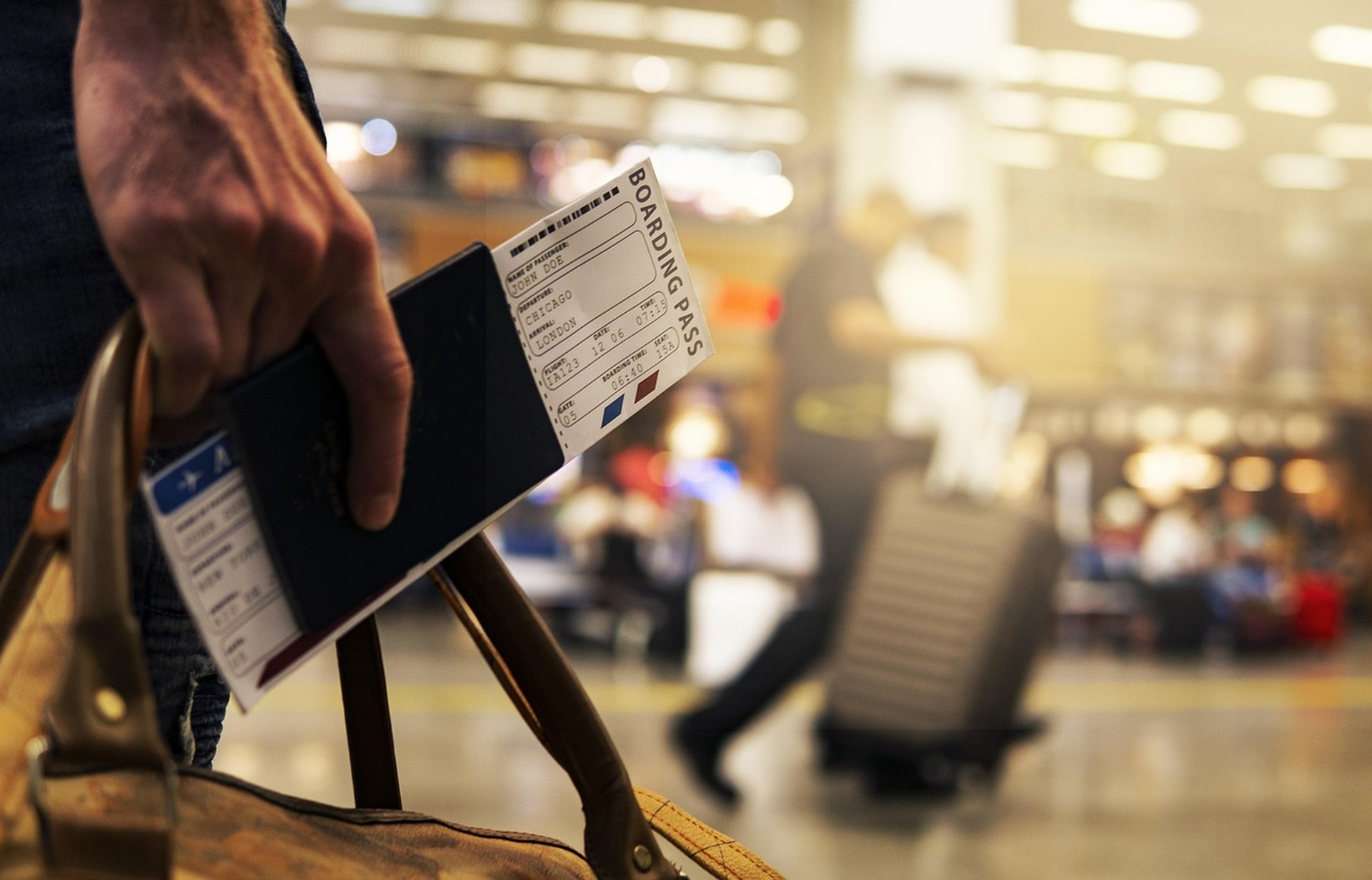
Schiphol and NS trains are generally robust, yet autumn storms and winter disruptions happen. Build same-day heroic itineraries only if you enjoy stress. Seasonal planning overlaps with the case for arriving early and leaving late. Weather does not care about your calendar invite.
Check regional flood or wind warnings when venues sit in exposed coastal or polder areas. Venue staff who send practical weather notes before arrival are showing operational maturity.
How season interacts with accessibility
Gravel that is manageable in July can become a mobility barrier in January mud. Cold rooms challenge some chronic conditions. Pollen-heavy months challenge others. Seasonal planning and accessibility planning are the same conversation with different entry points. Revisit accessibility at retreats when you pick a month.
Emotional expectations by season
People project fantasies onto seasons: summer equals joy, winter equals depth. Experiences do not obey that poetry. A summer session can be hard. A winter session can be gentle. What season changes is the supporting environment: light, outdoor options, and travel friction. Plan the environment. Leave room for the experience to be itself.
Practical packing that tracks the calendar
Waterproof layer, warm mid-layer, easy-on shoes for muddy thresholds, eye mask compatible with early sunrises, and clothing you can layer during temperature swings. Avoid packing only ceremony whites that fail in wind. Comfortable thermoregulation beats aesthetic uniformity.
Microclimates: coast, city, and countryside
Amsterdam streets, coastal dunes, and inland farmland do not feel the same on a windy day. Coastal venues can be colder and wetter than city listings suggest. Countryside houses may be quieter and darker at night, which some guests love and others find isolating. Ask the retreat which microclimate they actually occupy and what clothing previous guests wished they packed.
Noise climates change too. Summer terraces and village festivals can intrude on quiet hours. Winter silence can amplify group dynamics indoors. Season is geographic, not only calendrical.
Photography fantasies versus lived light
Marketing photos often harvest the five sunny minutes of a Dutch afternoon. Lived retreats include grey ceilings and wet bicycles. If your intention depends on dramatic nature mysticism under blue sky, build a plan B: indoor altars, window light, and acceptance of weather as teacher without forcing a poetic narrative onto discomfort.
Facilitators who can hold a beautiful indoor container during rain are showing craft. Facilitators who apologise endlessly for clouds may be over-identified with brochure promises.
Climate change as a planning footnote
European summers have seen more frequent heat stress events in recent years, and autumn storms remain capable of disrupting travel. You do not need perfect climate prediction. You need flexible packing, hydration plans, and itineraries with buffers. Seasonal literacy is increasingly risk literacy.
Indoor air, damp, and respiratory comfort
Dutch winters keep people indoors longer, which makes ventilation, damp control, and heating balance more important. Guests with asthma or scent sensitivity should ask about incense, essential oil diffusers, wood stoves, and cleaning products. A beautiful fireplace can be a respiratory problem for someone else in the room.
Request scent-light policies if needed. Seasonal comfort includes air quality, not only temperature.
Daylight planning for integration walks
If outdoor integration is central to the programme, winter schedules must place walks in the short bright window. Summer schedules can walk later but may need mosquito awareness and sleep boundaries. Ask for the actual outdoor plan by season rather than a generic “nature time” promise.
Bottom line
Seasonal retreat planning in the Netherlands is weather literacy, daylight realism, and comfort infrastructure. Use KNMI-minded expectations, ask venues how they handle rain and short days, and align your travel buffers with storm season habits. Comfort is not decadence. Comfort is how bodies stay available for inner work.
When the programme ends, seasonal travel stress still matters: many guests protect an extra night before flying, discussed next. Keep overall format expectations tied to the experience and retreat packages.
UNLOCK THE MIND. ELEVATE THE SELF.